
Lamu Archipelago
East Africa's oldest Swahili settlement — a car-free UNESCO island of carved doorways, dhow sails, and 12 km of empty beach.
About Lamu Archipelago
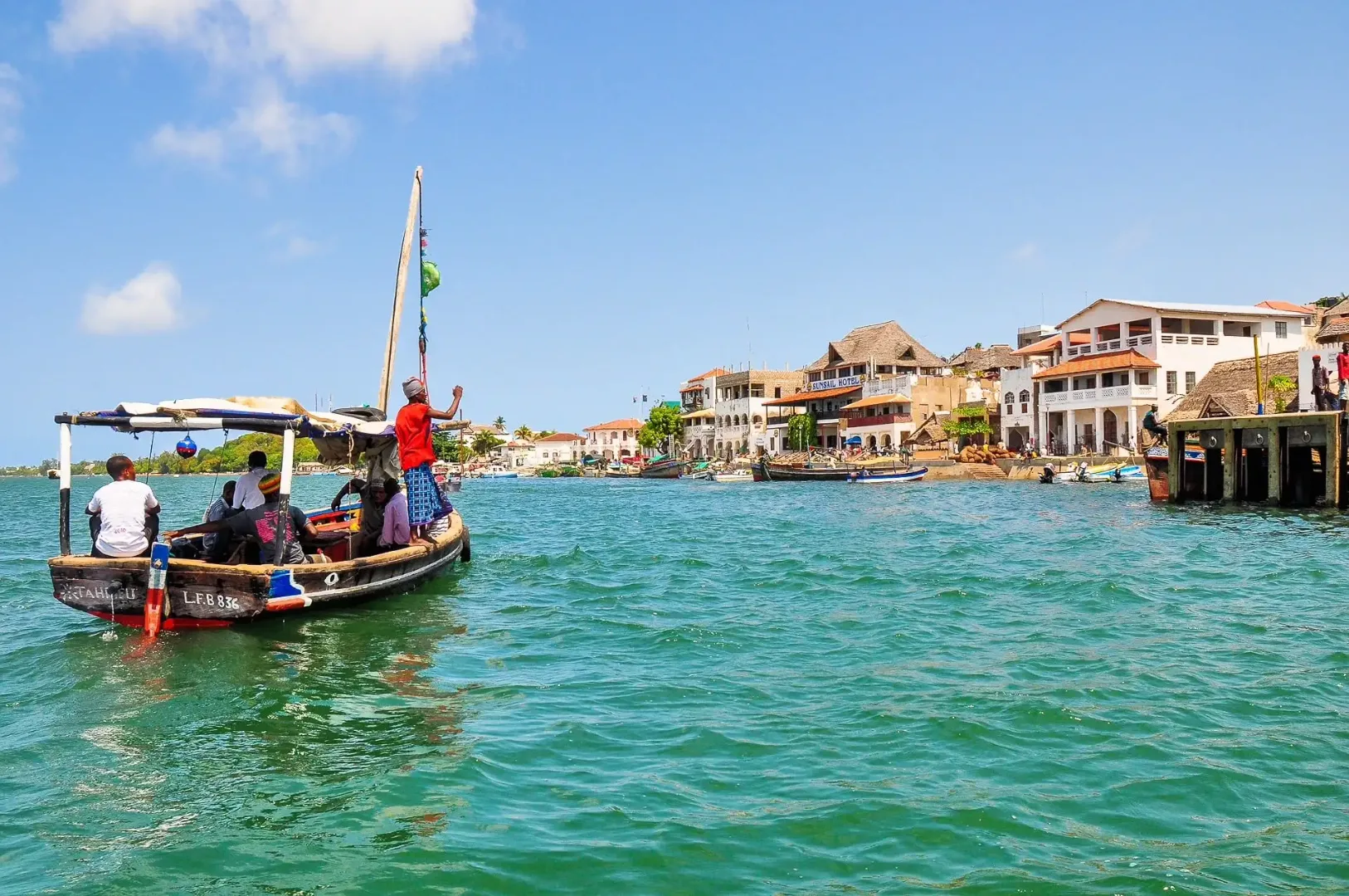
The Lamu Archipelago lies off Kenya's northern coast near the Somali border, a cluster of islands that time forgot — or more accurately, chose to keep. Lamu Old Town, founded in the 14th century and designated a UNESCO World Heritage Site in 2001, is the oldest continuously inhabited Swahili settlement in East Africa and one of the best-preserved. There are no cars on Lamu Island; donkeys, hand-pushed carts, and traditional wooden dhows remain the primary transport, exactly as they have for centuries. The town's narrow streets are lined with coral-stone houses featuring elaborately carved wooden doors, shaded interior courtyards, and rooftop terraces looking out over the dhow-filled waterfront. Beyond Lamu Town, the archipelago includes Manda Island (site of the airstrip and the ruins of the ancient city of Takwa), Pate Island (home to three medieval Swahili towns), and Kiwayu Island (a barefoot luxury hideaway with 12 kilometres of empty sand). Shela village, a 40-minute walk from Lamu Town along the waterfront, fronts a 12-kilometre stretch of deserted dune beach — one of the most beautiful and least crowded in the Indian Ocean.
When to Go
December to March for the calmest seas, hottest weather, and best conditions for dhow sailing and beach days. July to September is cooler with stronger winds — ideal for kite-surfing. The Lamu Cultural Festival (usually November) showcases traditional dhow races, Swahili poetry, henna painting, and donkey races. April-May is the wettest period.
What You'll See
The marine environment supports dolphins, green turtles, dugong (rare), and seasonal whale sharks. The Kiunga Marine National Reserve north of the archipelago protects mangroves, coral reefs, and nesting sea turtles. Onshore, Lamu's donkey population (estimated 6,000) is a cultural institution — the Lamu Donkey Sanctuary provides veterinary care and is open to visitors. Birdwatching is rewarding in the mangrove channels, with crab-plovers, mangrove kingfishers, and African fish eagles.
Your Journey Begins
Scheduled flights from Nairobi Wilson Airport to Manda Island airstrip (approximately 2 hours with Safarilink or Fly540). From the airstrip, a short boat ride crosses the channel to Lamu Town's seafront. There is no road access to Lamu Island — the archipelago is only reachable by air or by sea from the mainland town of Mokowe.
Within Lamu Archipelago
Lamu Old Town
Seven centuries of unbroken Swahili urban life — Kenya's most atmospheric town, unchanged and car-free.
Lamu Old Town is a dense, organic settlement of coral-stone buildings, narrow shaded streets, and over 300 historically significant Swahili houses. The town's architecture reflects Arab, Indian, Portuguese, and indigenous African influences accumulated over seven centuries. The Lamu Museum, housed in a grand Swahili warehouse on the waterfront, traces the island's maritime trading history. Key landmarks include the Riyadha Mosque (built 1900, centre of the Maulidi festival), the German Post Office (1888), and the 18th-century Lamu Fort now used as a cultural centre. The waterfront promenade comes alive in the late afternoon as dhows return from fishing and woodcarvers work in open-air workshops.
Shela Village & Beach
Twelve kilometres of empty white dunes and the island's most charming village — Lamu's quieter, barefoot side.
Shela is a small, quiet village 2 kilometres south of Lamu Town, accessible by a waterfront footpath or a 5-minute boat ride. The village is known for its concentration of beautifully restored Swahili houses (many available for private rental), a distinctive pepper-pot minaret, and the 12-kilometre Shela Beach — a vast expanse of white dunes stretching south toward Kiwayuu, almost always deserted. The shallow warm waters are safe for swimming, and the steady afternoon winds make it a reliable kitesurfing spot. Several boutique guesthouses and the island's most upscale restaurants are clustered in Shela.
Dhow Sailing & Island Excursions
Sail a hand-built dhow through mangrove channels to medieval ruins, sandbank picnics, and remote coral islands.
The traditional wooden dhow is Lamu's defining symbol and its oldest mode of transport, still built by hand in the town's seafront boatyards using techniques passed down over centuries. Dhow sailing trips range from sunset cruises through the mangrove channels to full-day island-hopping excursions visiting the Takwa Ruins on Manda Island (a medieval Swahili ghost town), snorkelling on the outer reef, and seafood barbecues on sandbank islands exposed at low tide. Multi-day dhow safaris can reach the remote Kiwayu Island and the Kiunga Marine Reserve near the Somali border.
More Destinations in Kenya
Masai Mara National Reserve
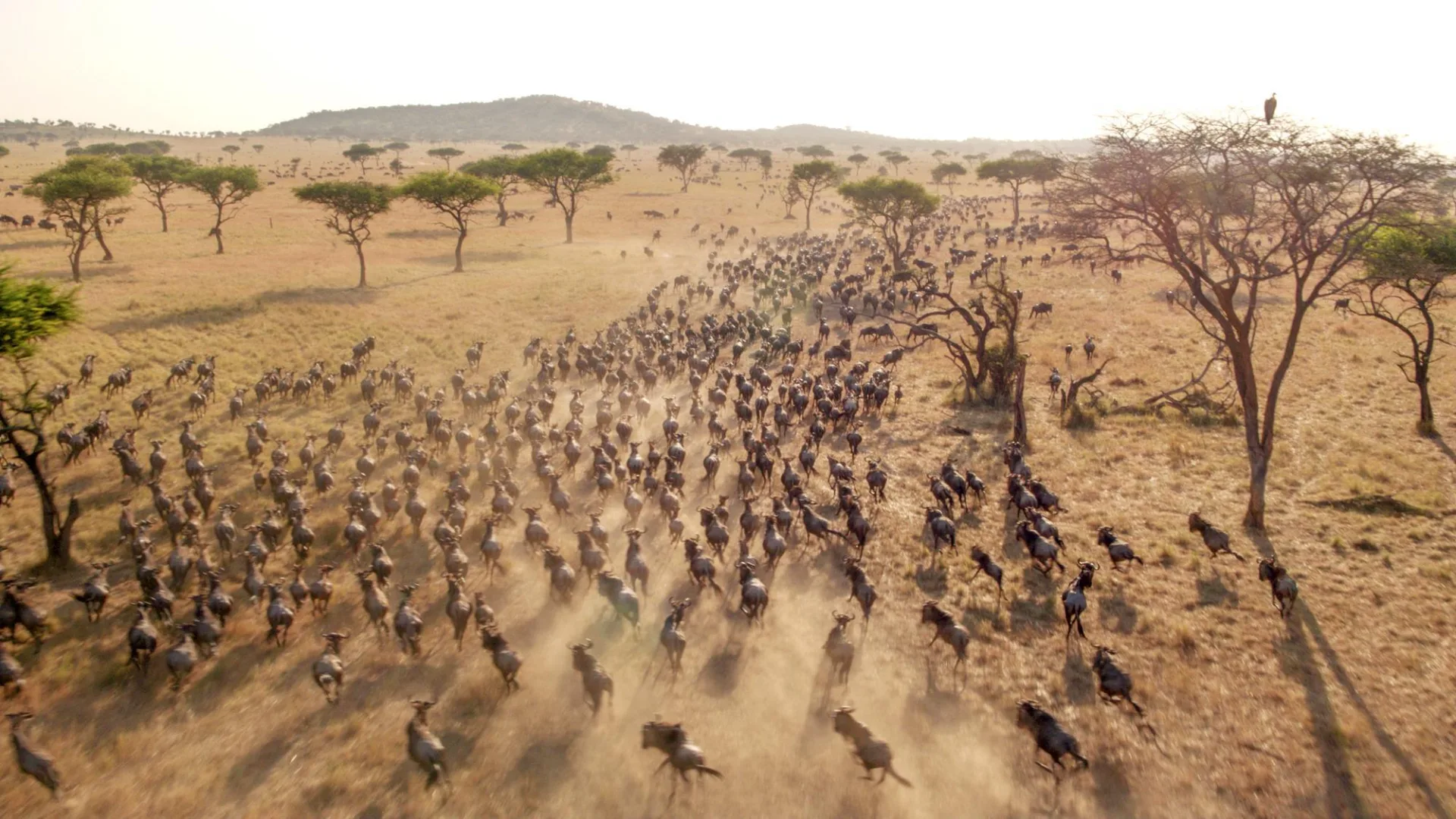
Africa's most famous reserve — Great Migration river crossings, 850 lions, and the pioneering conservancy model.
Explore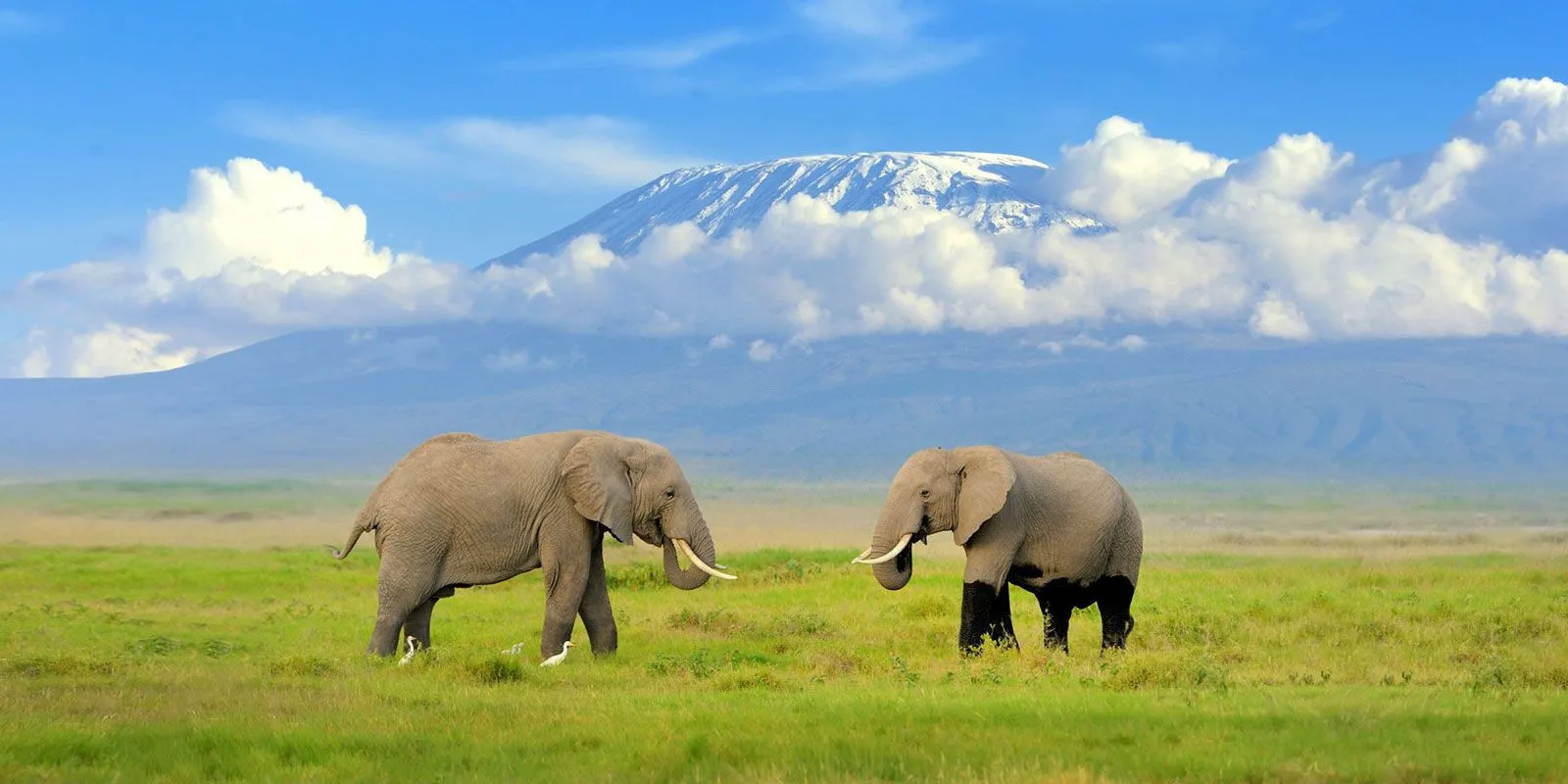
Amboseli
Africa's most iconic elephant herds framed by the snow-capped summit of Kilimanjaro.
Explore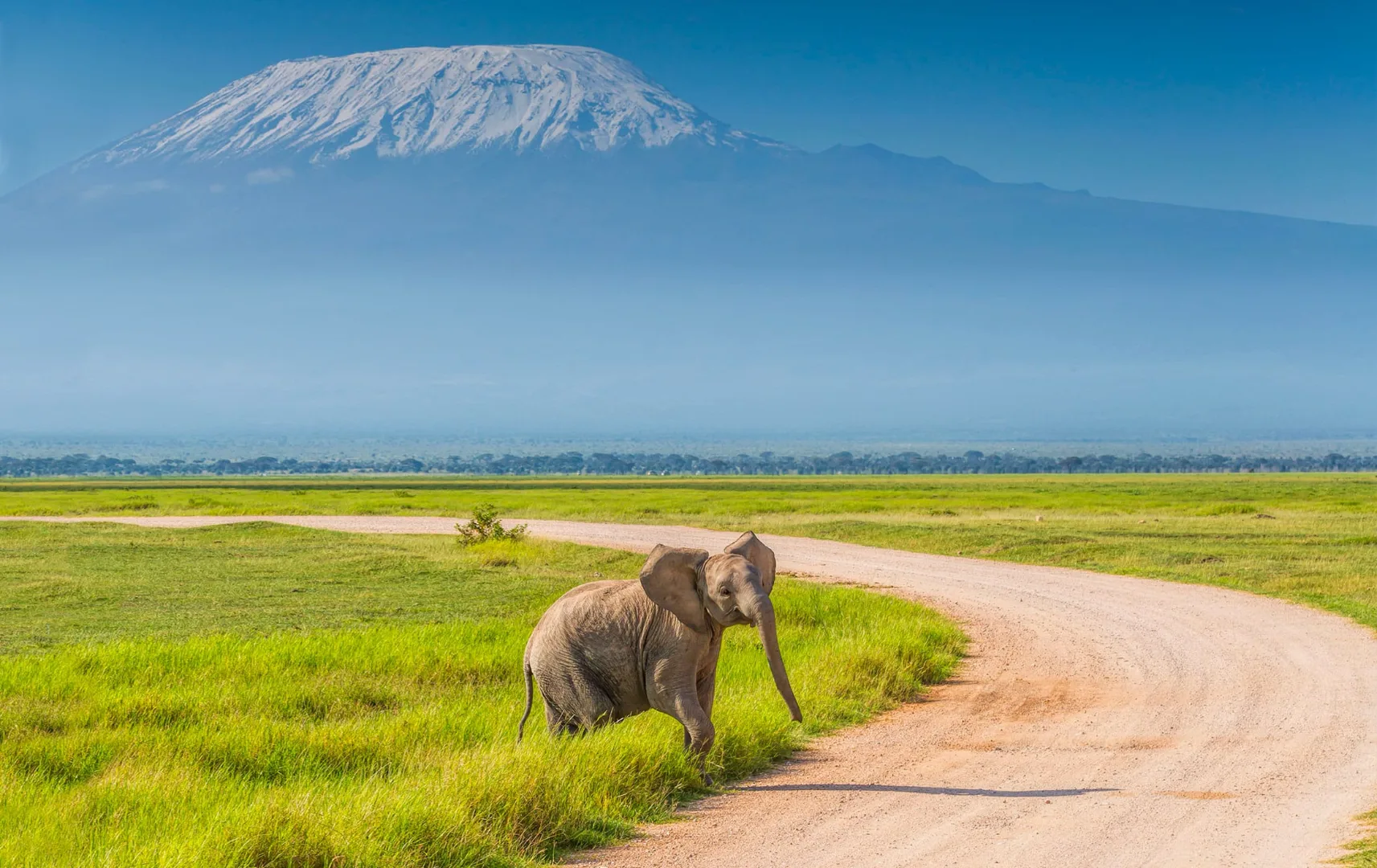
Amboseli National Park
Africa's most iconic photo — big-tusked elephants framed by Kilimanjaro's snow-capped peak.
Explore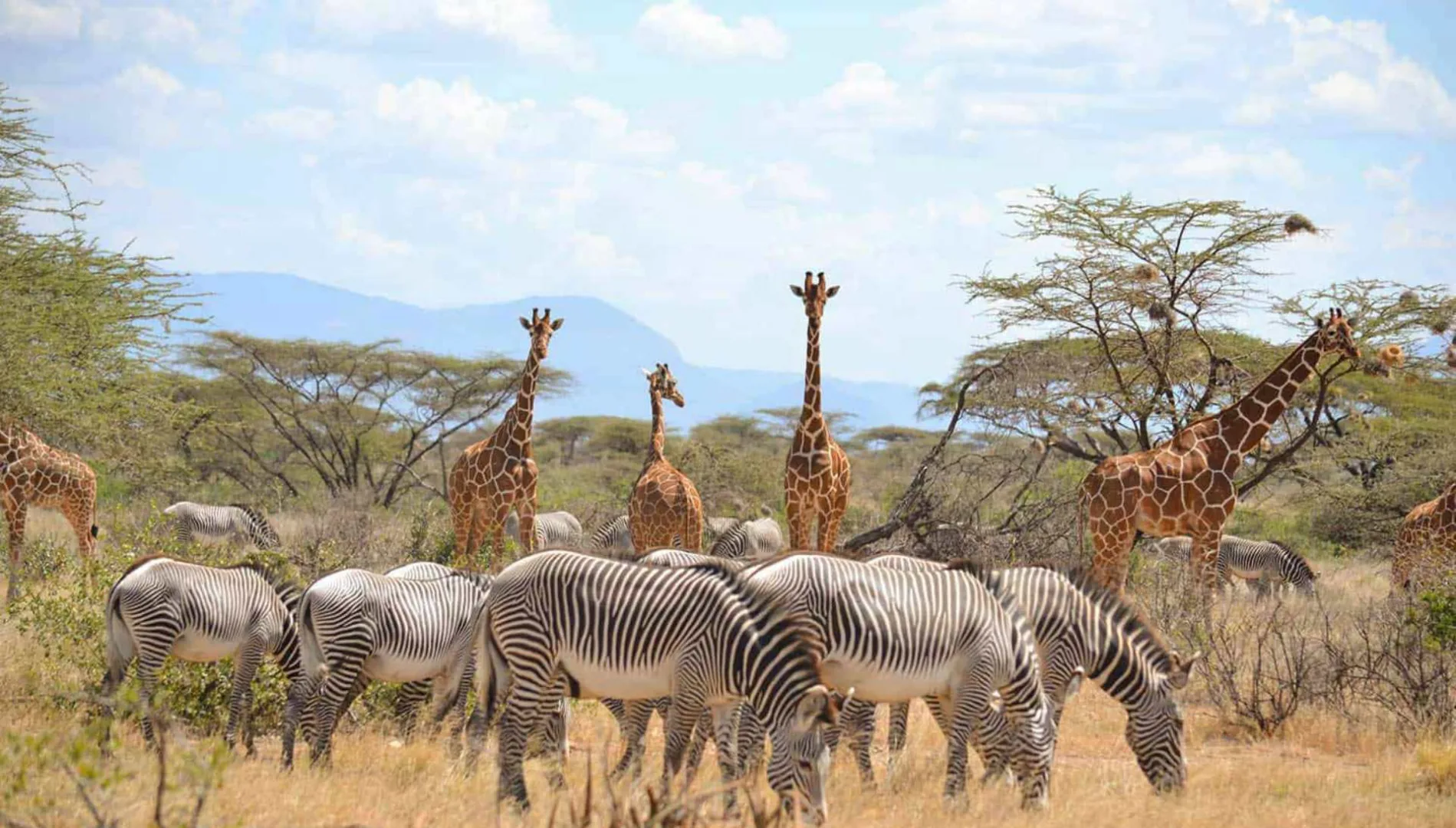
Samburu National Reserve
Kenya's arid frontier — the Samburu Special Five species found nowhere else on a classic safari circuit.
ExplorePlan Your Safari
Let our experts craft a bespoke Lamu Archipelago itinerary tailored to your dreams.