
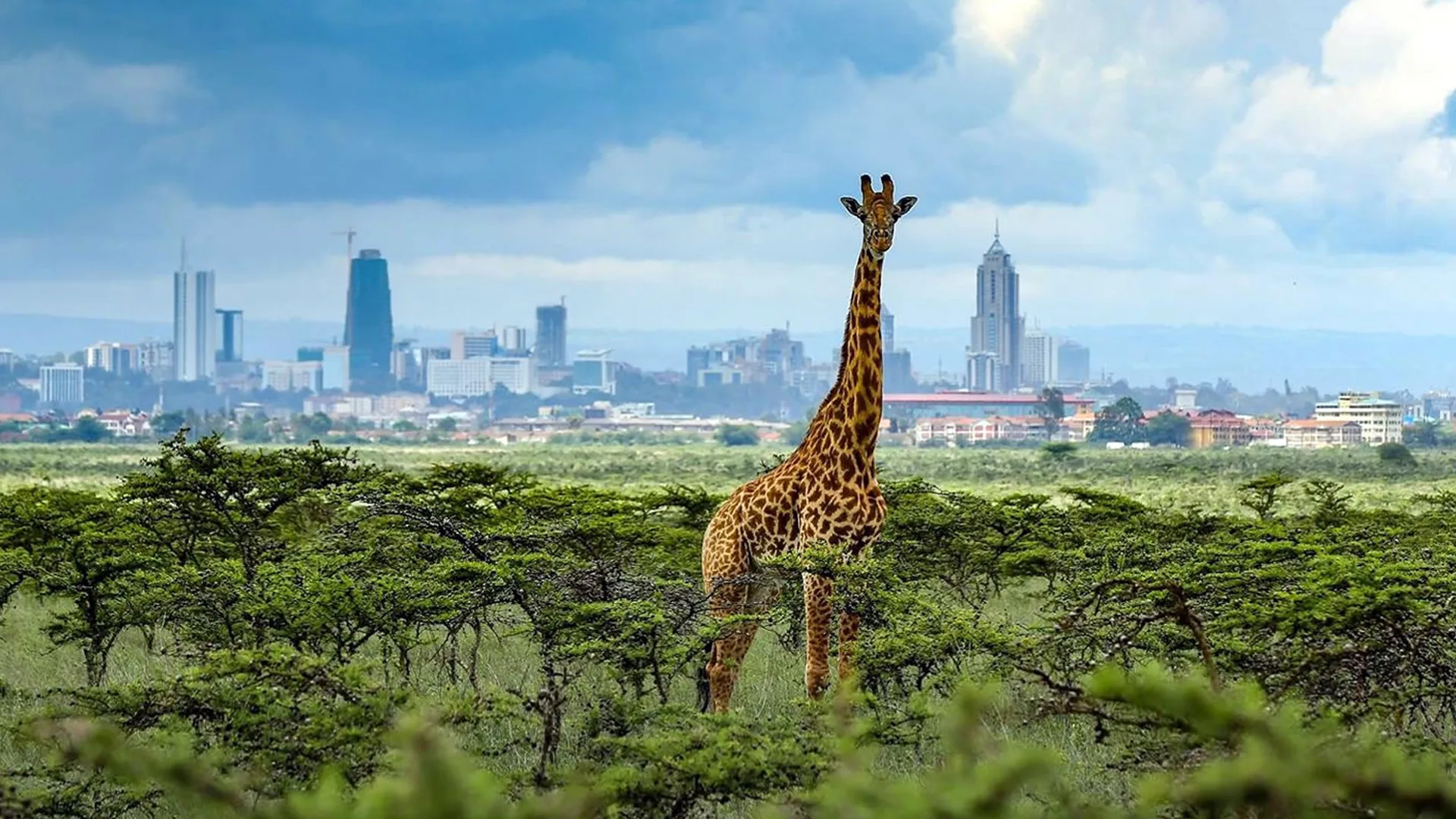
Nairobi National Park
The world's only national park in a capital city — black rhino and lions against the Nairobi skyline.
About Nairobi National Park
Nairobi National Park is the only national park on Earth situated within a capital city. Just 7 kilometres from the central business district, its 117 square kilometres of open grassland, scattered acacia bush, and a stretch of highland forest along the Mbagathi River shelter black rhino, lion, leopard, buffalo, giraffe, and over 400 bird species — all against an improbable skyline of skyscrapers. Established in 1946 as Kenya's first national park, it was a pioneering experiment in wildlife conservation that proved wild animals could coexist with a growing city. The park's southern boundary is unfenced, allowing seasonal migration of wildebeest, zebra, and eland between the park and the Kitengela plains via the Athi-Kapiti ecosystem. The David Sheldrick Wildlife Trust, located at the park's main gate, rehabilitates orphaned elephants — their daily mud-bath viewing at 11 a.m. has become one of Nairobi's most beloved rituals. The park also contains the Ivory Burning Site Monument, where President Daniel arap Moi set fire to 12 tonnes of confiscated ivory in 1989, a symbolic act that galvanised the global ban on ivory trade.
When to Go
Year-round. The dry season (July to October and January to February) concentrates wildlife near permanent water. Early morning visits (park opens at 6 a.m.) offer the best light and the highest chance of predator sightings before Nairobi's traffic noise reaches the park.
What You'll See
One of the most important black rhino sanctuaries in Kenya with over 70 individuals. Lion prides (around 30-35 animals), leopard, cheetah, buffalo, Maasai giraffe, eland, and Thomson's gazelle. The park supports over 400 bird species — one of the highest densities per square kilometre of any park in the world. Seasonal migration brings wildebeest and zebra from the Athi-Kapiti plains.
Your Journey Begins
The main entrance (Lang'ata Gate) is 15 minutes from Nairobi's city centre. The park is ideal for a half-day safari before or after a flight — Jomo Kenyatta International Airport is directly adjacent to the park's eastern boundary. No internal flights needed; taxis and tour operators provide transfers from any Nairobi hotel.
Within Nairobi National Park
David Sheldrick Wildlife Trust
Watch orphaned baby elephants play in their daily mud bath — Nairobi's most heartwarming wildlife encounter.
The David Sheldrick Wildlife Trust, situated at the park's main entrance, is the world's most successful orphaned elephant rescue and rehabilitation programme. Founded in 1977 by Dame Daphne Sheldrick, it has hand-raised over 300 orphaned elephants and returned them to wild herds in Tsavo. The public can visit during the daily 11 a.m. mud bath, where young elephants charge through shallow pools, wrestle in the red mud, and drain oversized milk bottles held by their green-jacketed keepers. Foster programmes allow visitors to symbolically adopt an individual elephant.
Hippo Pools & Athi River Circuit
Step out of the car beside hippo-filled river pools — a rare on-foot moment in Kenya's urban park.
The southeastern sector of Nairobi National Park follows the Athi River and Mbagathi River, where hippos congregate in shaded pools beneath riverine forest. The Hippo Pools picnic site is one of the few places in the park where visitors can leave their vehicles, stretching their legs beside crocodile-free shallows while Goliath herons fish upstream. The Athi River circuit is also a reliable area for buffalo herds, waterbuck, and crowned cranes.
Ivory Burning Site & Impala Observation Point
Where the global ivory ban was born — and the park's most iconic skyline-meets-savannah viewpoint.
The Ivory Burning Site Monument marks the spot where President Moi burned 12 tonnes of ivory in 1989, an act that helped tip global opinion toward the international ivory trade ban. Nearby, the Impala Observation Point offers a hilltop viewpoint over the park's central grasslands with the Nairobi skyline behind — the most photographed vantage point in the park. Impala, eland, and zebra graze on the slopes below, and in the right season, lions rest in the adjacent long grass.
More Destinations in Kenya
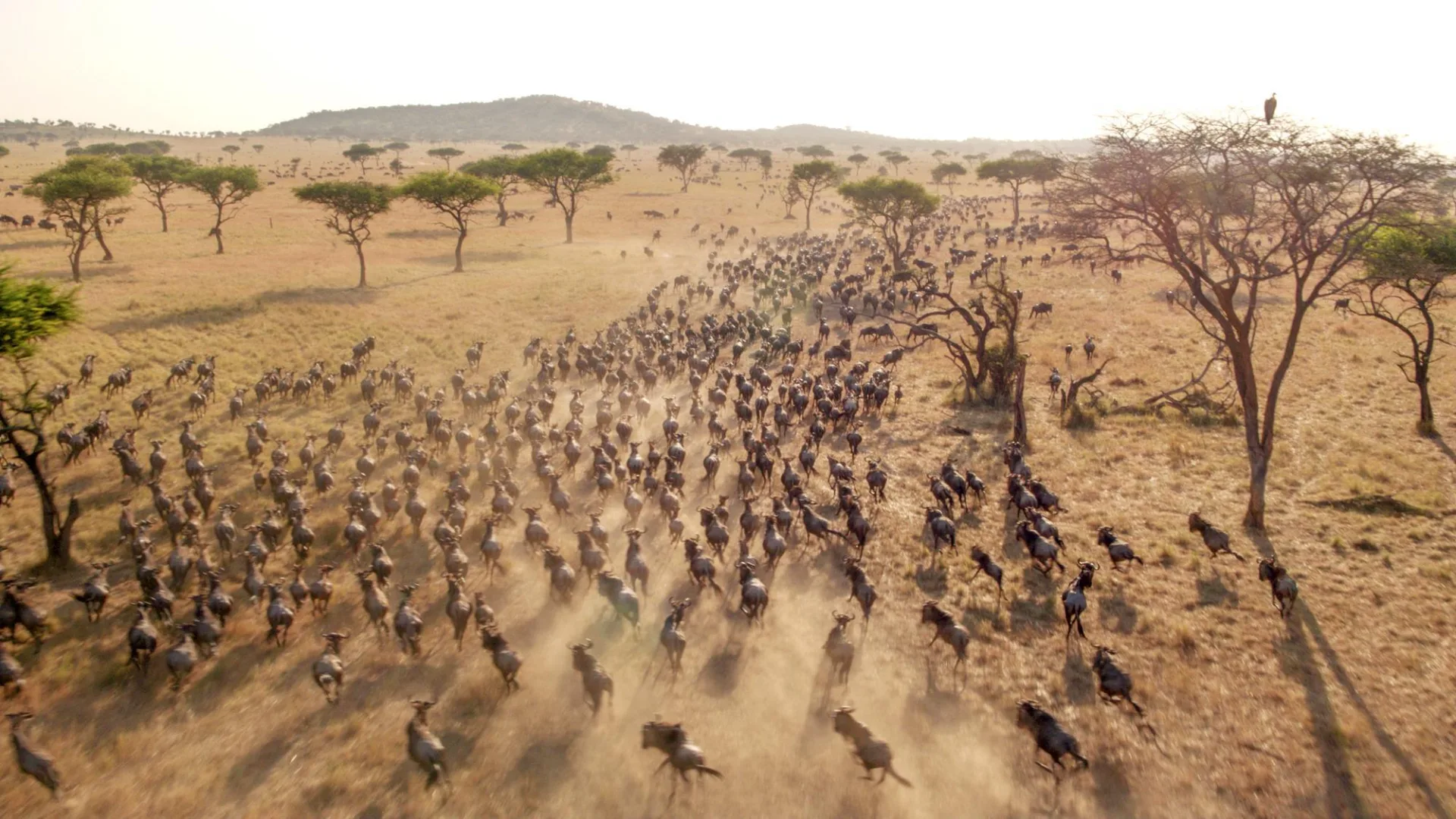
Masai Mara National Reserve
Africa's most famous reserve — Great Migration river crossings, 850 lions, and the pioneering conservancy model.
Explore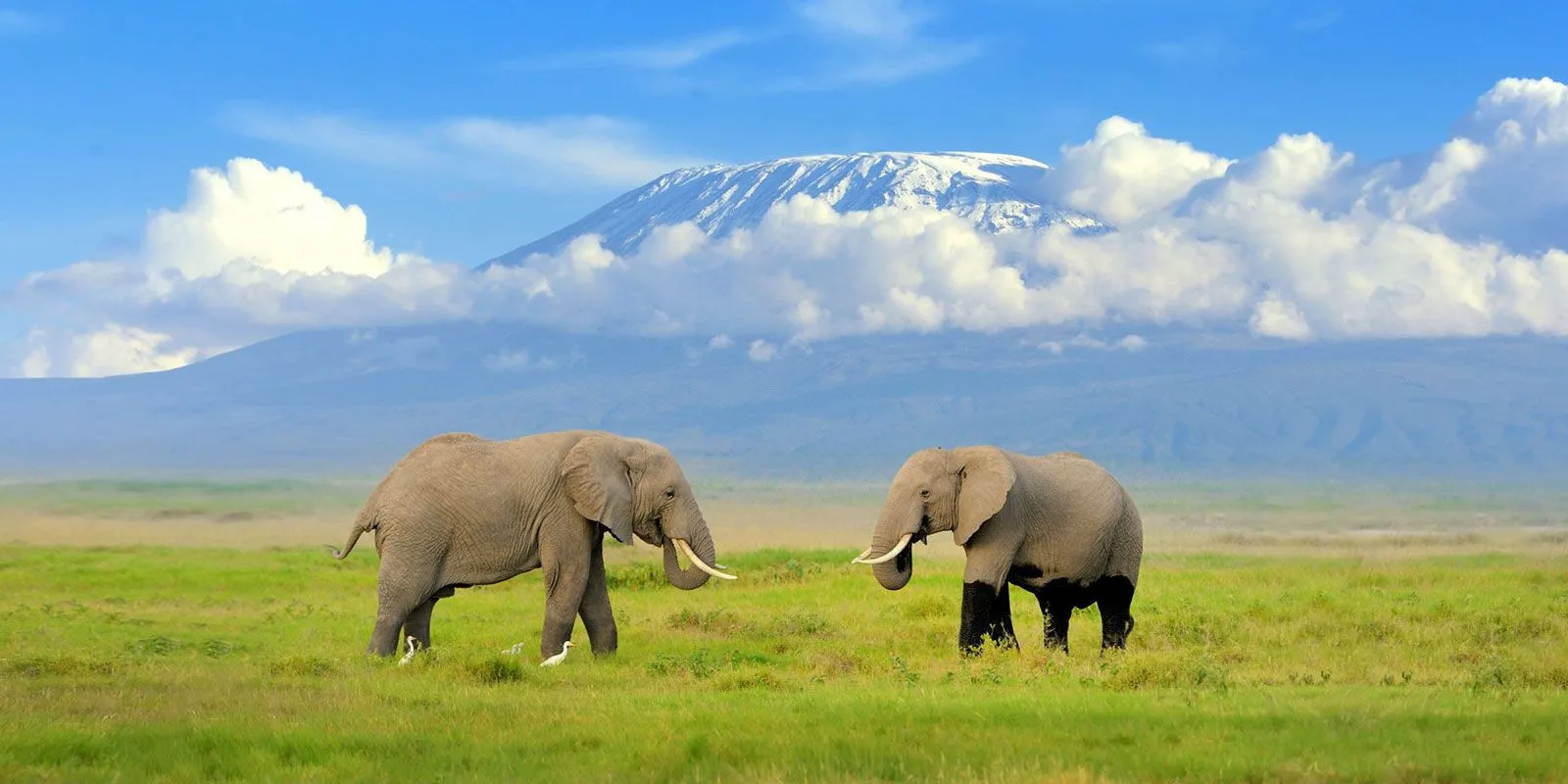
Amboseli
Africa's most iconic elephant herds framed by the snow-capped summit of Kilimanjaro.
Explore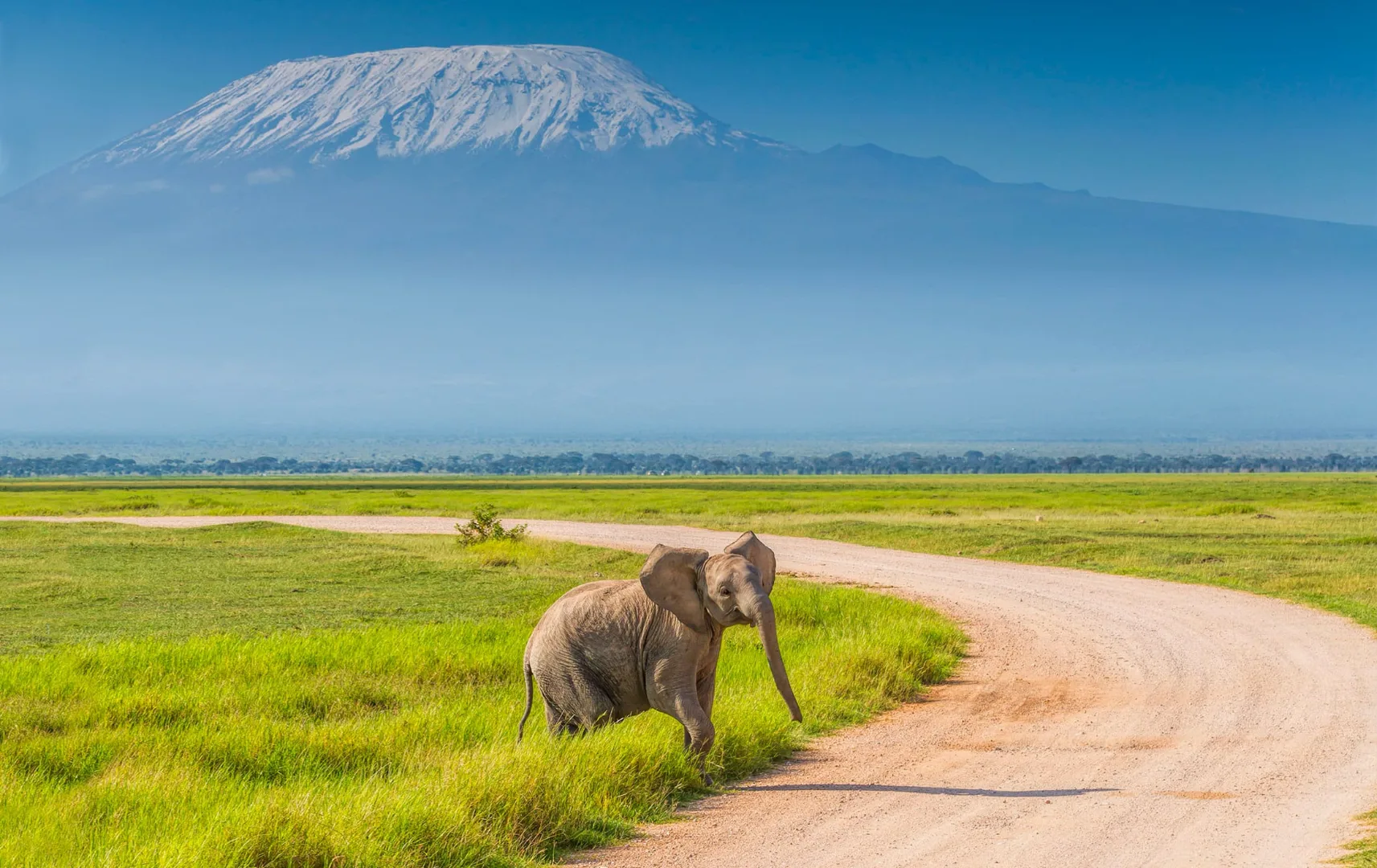
Amboseli National Park
Africa's most iconic photo — big-tusked elephants framed by Kilimanjaro's snow-capped peak.
Explore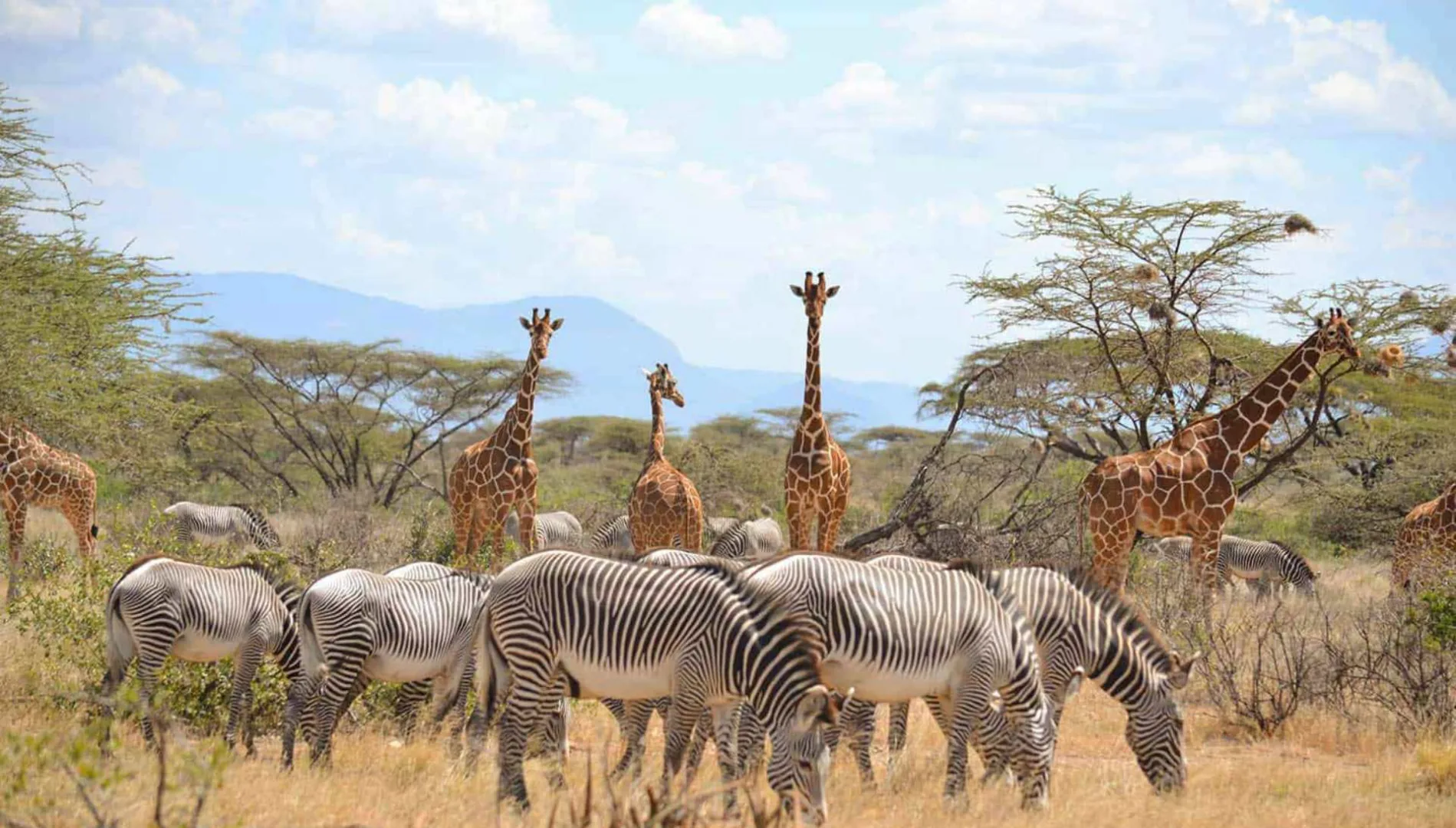
Samburu National Reserve
Kenya's arid frontier — the Samburu Special Five species found nowhere else on a classic safari circuit.
ExplorePlan Your Safari
Let our experts craft a bespoke Nairobi National Park itinerary tailored to your dreams.