
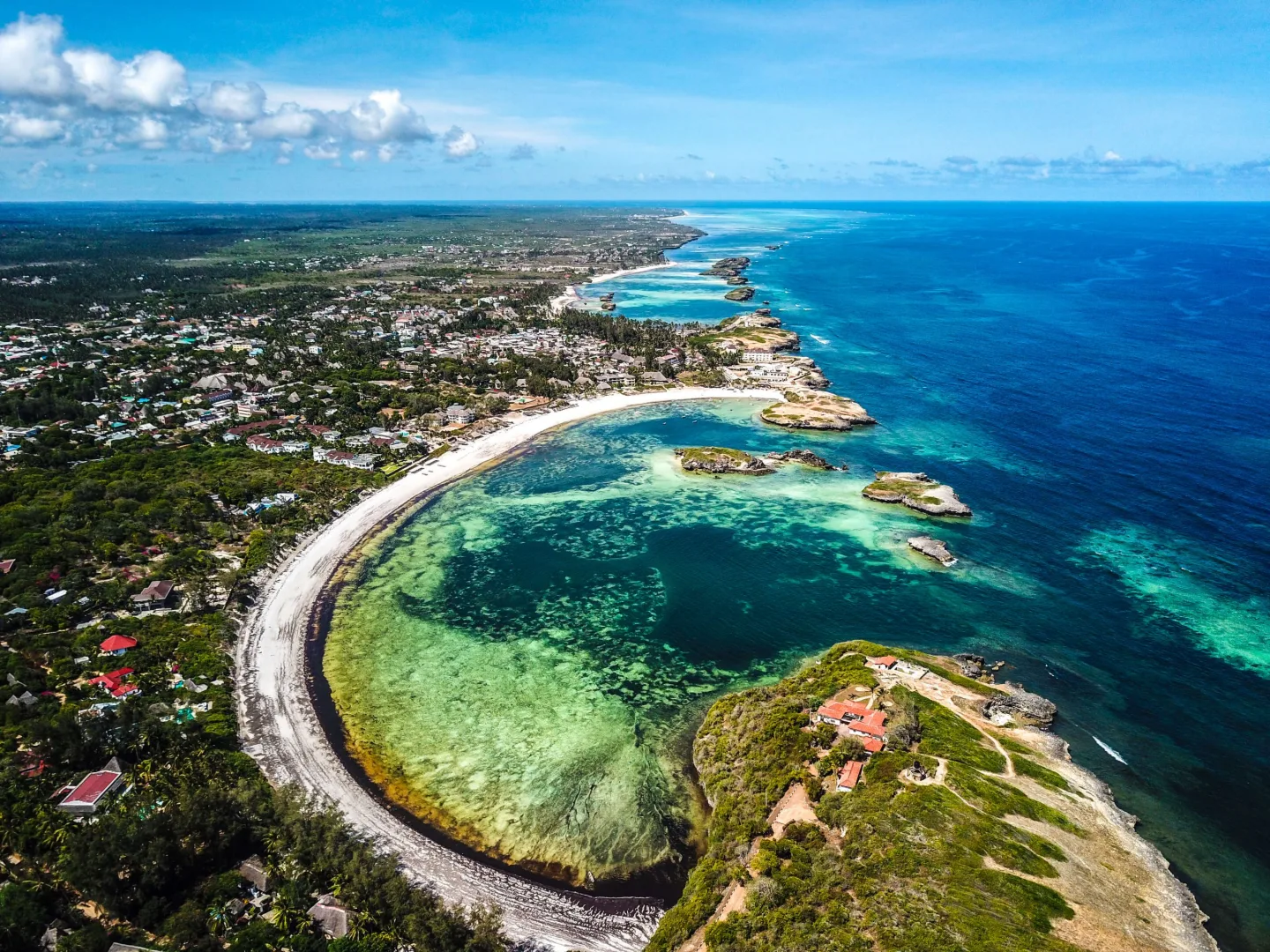
Watamu
Kenya's marine conservation capital — whale sharks, turtle releases, and a UNESCO reef in a village that never grew up.
About Watamu
Watamu is a small coastal village 105 kilometres north of Mombasa on Malindi Bay, where white sand beaches wrap around a series of coral coves and a UNESCO Biosphere Reserve protects one of East Africa's most biodiverse marine environments. The Watamu Marine National Park, established in 1968 as part of the Malindi-Watamu Marine Protected Area, shelters over 600 species of fish, 110 species of coral, and important populations of green and hawksbill turtles that nest on local beaches between April and August. The Local Ocean Conservation centre in Watamu has rescued over 20,000 sea turtles from fishing bycatch since 1997, and visitors can witness releases of rehabilitated turtles back into the ocean. Beyond the reef, whale sharks aggregate off Watamu from September to March — gentle giants reaching 12 metres that can be snorkelled with from small boats. The Gede Ruins, a mysterious abandoned 13th-century Swahili city in the forest behind Watamu, adds an archaeological dimension to a destination that most visitors initially come to for the beach. Watamu retains a village atmosphere — no high-rise hotels, no traffic, and a tight-knit community of Italian expats, Swahili fishing families, and marine biologists who together have made it Kenya's most conservation-focused coastal destination.
When to Go
September to March for whale shark encounters. December to March for the hottest, driest beach weather. April to August for sea turtle nesting season (with hatchling releases). Diving visibility peaks October to March (20-30 metres). July to September is cooler and windier but still pleasant.
What You'll See
Over 600 fish species in the marine park, including groupers, parrotfish, barracuda, reef sharks, and lionfish. Green and hawksbill turtles (nesting April-August, visible year-round). Whale sharks September to March. Bottlenose dolphins year-round. Onshore, the Arabuko-Sokoke Forest (bordering Watamu) is Kenya's largest coastal forest, protecting the endangered Sokoke scops owl, Clarke's weaver, and the golden-rumped elephant shrew — all endemic or near-endemic. Giraffe, elephant, and buffalo can be seen at the nearby Kipepeo Butterfly Project forest walks.
Your Journey Begins
Fly into Malindi Airport (30 minutes from Nairobi Wilson via Safarilink). Watamu is 20 kilometres south of Malindi, a 30-minute drive. Alternatively, fly into Mombasa and drive north (2 hours). Some visitors take the Nairobi-Mombasa SGR train and drive up the coast.
Within Watamu
Watamu Marine National Park
A UNESCO-protected reef accessible from the beach — snorkel over coral gardens in crystal-clear shallows.
Watamu Marine National Park protects 10 square kilometres of coral reef, seagrass meadows, and sandy channels within the larger Malindi-Watamu Marine Protected Area. The park's coral gardens are accessible by glass-bottom boat or snorkel from any of Watamu's beaches, with colourful reef fish, sea stars, and octopus visible in just 2-3 metres of water. The deeper outer reef supports larger species including green turtles, reef sharks, and barracuda. Kayaking through the park's tidal creeks at high tide offers a quieter perspective, paddling over submerged coral heads alongside feeding herons and kingfishers.
Gede Ruins
A Swahili ghost city in the forest — 700-year-old coral-stone ruins with Chinese porcelain and baobab roots.
The Gede Ruins are the remains of a 13th-century Swahili town hidden in the Arabuko-Sokoke Forest behind Watamu, abandoned mysteriously in the 17th century. The site includes a palace, mosque, pillar tombs, and houses built from coral rag and lime, overgrown with baobabs and strangler figs. Archaeological finds of Chinese porcelain, Venetian glass beads, and Spanish scissors reveal a town that traded across the Indian Ocean. A raised boardwalk and guided trail wind through the ruins, and Sykes' monkeys and golden-rumped elephant shrews are regularly seen among the fallen walls.
Arabuko-Sokoke Forest
East Africa's largest coastal forest — endemic birds, golden elephant shrews, and butterfly farming that funds conservation.
Arabuko-Sokoke Forest covers 420 square kilometres between Watamu and Kilifi, making it the largest surviving fragment of East African coastal forest. It harbours three globally threatened bird species — the Sokoke scops owl, Clarke's weaver, and the Amani sunbird — and is the primary habitat for the golden-rumped elephant shrew, a small mammal endemic to coastal Kenya. Guided nature walks depart from the forest station at dawn, when birding activity peaks and chances of seeing the nocturnal Sokoke scops owl at its roost are highest. The Kipepeo Butterfly Project on the forest edge works with local communities to farm and export tropical butterflies, offering a vivid demonstration of conservation-linked livelihoods.
More Destinations in Kenya
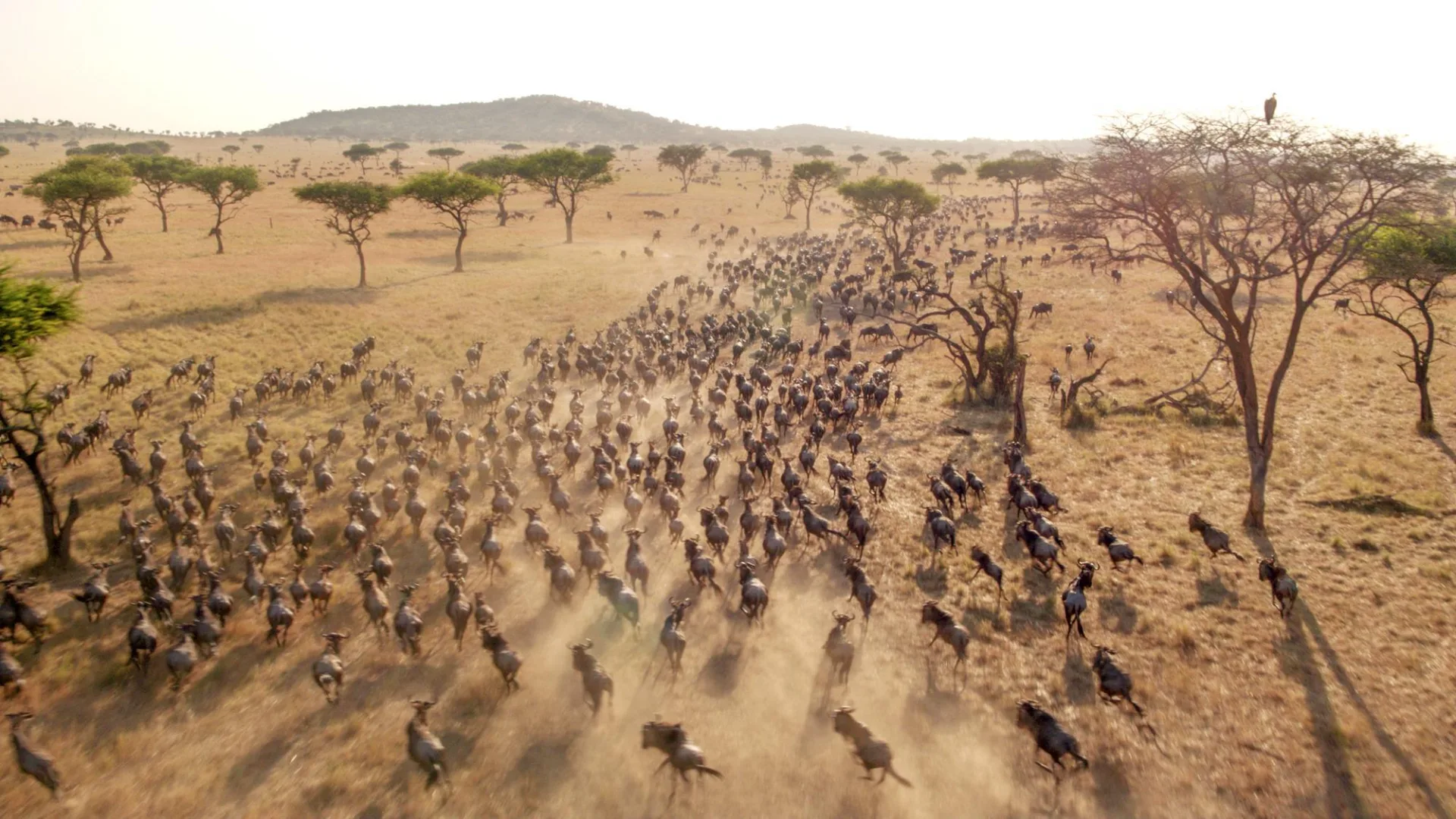
Masai Mara National Reserve
Africa's most famous reserve — Great Migration river crossings, 850 lions, and the pioneering conservancy model.
Explore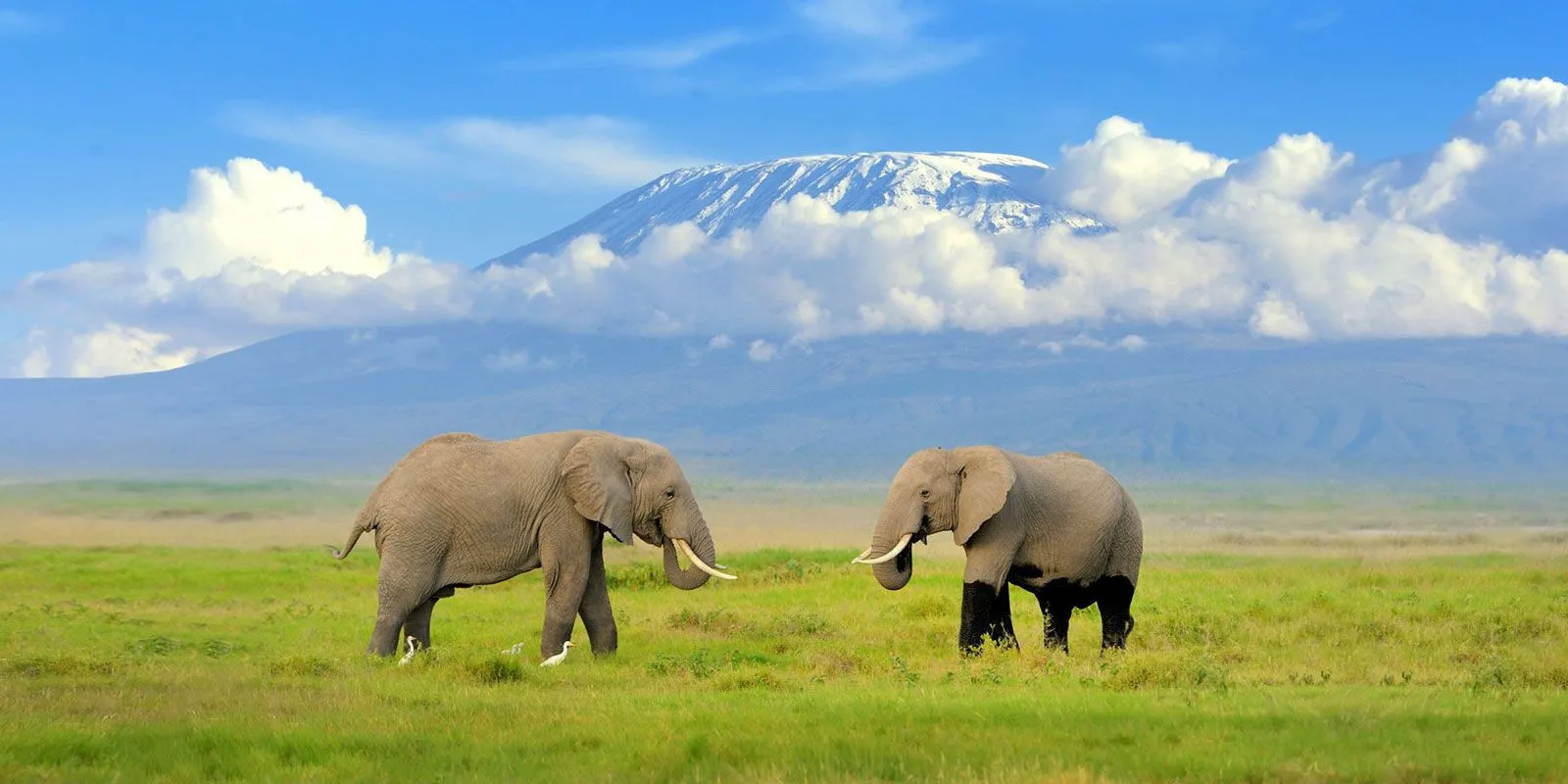
Amboseli
Africa's most iconic elephant herds framed by the snow-capped summit of Kilimanjaro.
Explore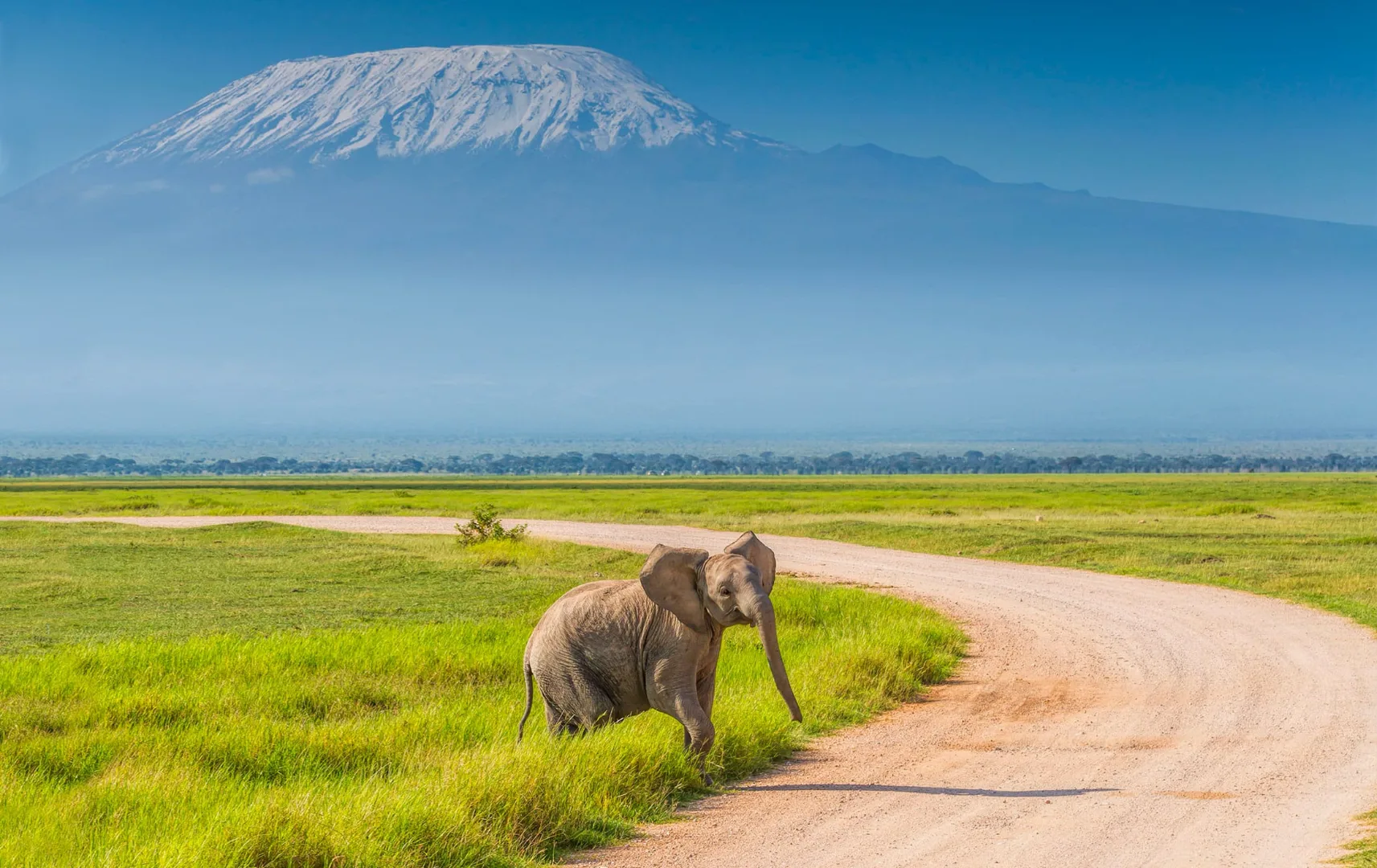
Amboseli National Park
Africa's most iconic photo — big-tusked elephants framed by Kilimanjaro's snow-capped peak.
Explore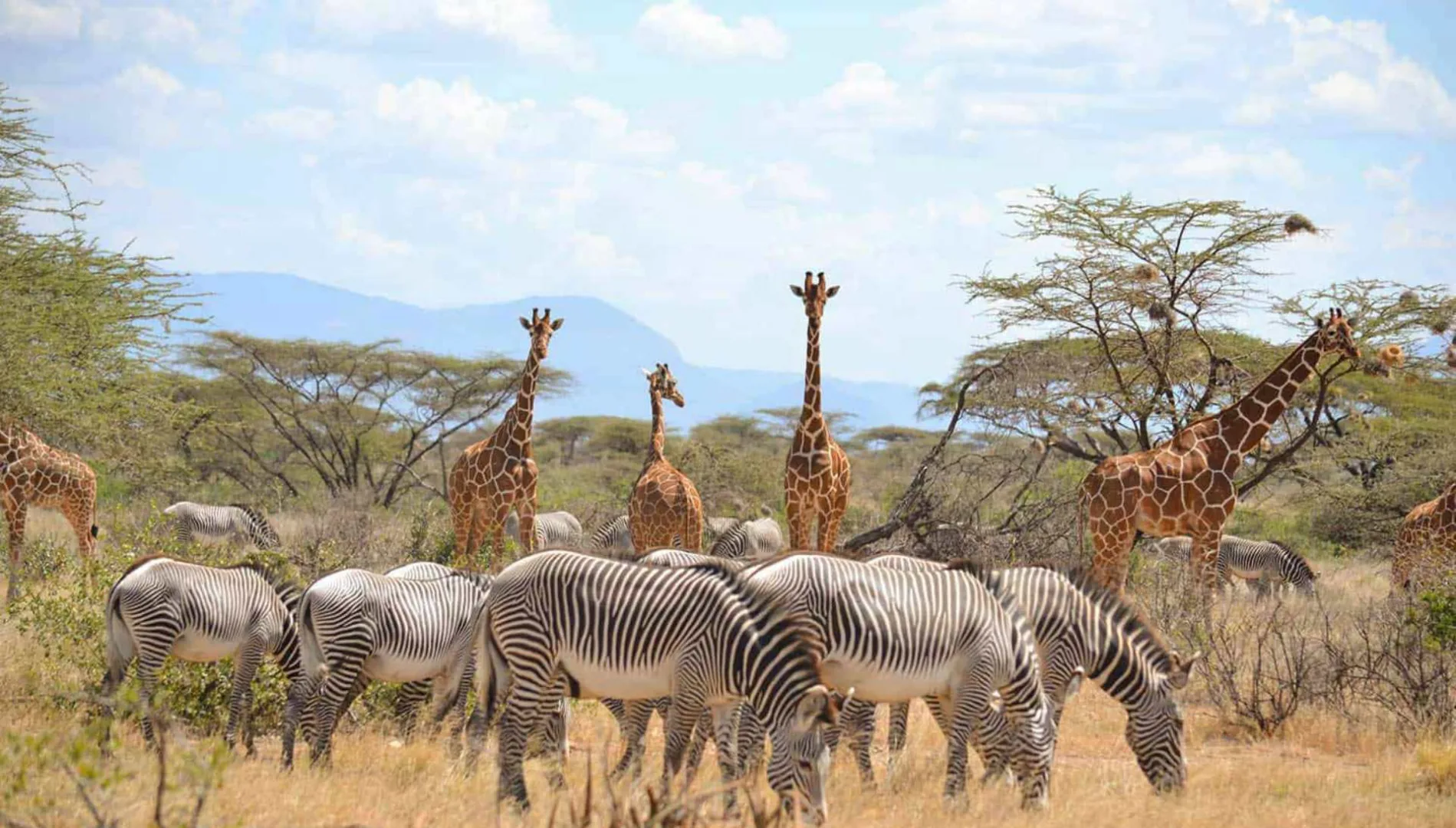
Samburu National Reserve
Kenya's arid frontier — the Samburu Special Five species found nowhere else on a classic safari circuit.
ExplorePlan Your Safari
Let our experts craft a bespoke Watamu itinerary tailored to your dreams.